
An HOA fine schedule is a written, board-adopted document that lists the dollar amounts and escalation rules for penalties imposed on homeowners who violate community rules. Without a formally adopted schedule, most states treat fines as unenforceable. Understanding what is hoa fine schedule means, how it gets adopted, and what rights you hold before a fine sticks is the most practical knowledge any HOA resident can have.
What is an HOA fine schedule and why does it matter?
An HOA fine schedule is the official penalty framework your community association uses to assign specific dollar amounts to specific rule violations. It is legally distinct from regular assessments. Fines are punitive by nature, which means courts hold them to a higher standard of disclosure and reasonableness than monthly dues. A fine imposed without a pre-adopted, distributed schedule is legally vulnerable and often thrown out entirely.
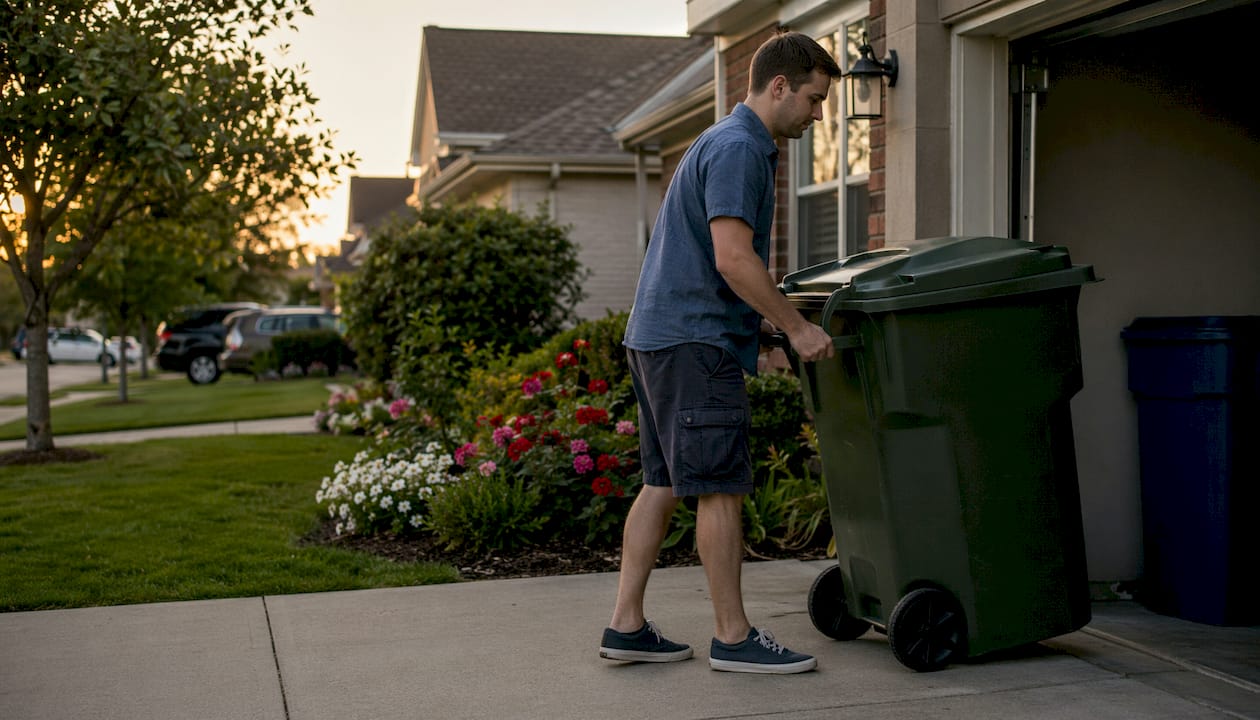
The schedule typically organizes violations into tiers. Minor violations such as a trash bin left at the curb might carry a first-offense fine of $25–$50. Moderate violations like an unauthorized structure could start at $100–$200. Severe or ongoing violations can reach $500 or more per incident. The document also defines whether fines accumulate per incident or per day for continuing violations, which matters enormously when a problem goes uncorrected.
State law shapes the entire process. California’s Davis-Stirling Act (Civil Code §5850) is one of the most detailed frameworks in the country. Florida Statute § 720.305 sets hard caps. Texas courts review fines for reasonableness and proportional enforcement. Knowing your state’s rules is the starting point for any homeowner trying to understand or challenge a fine.
How are HOA fine schedules legally adopted and communicated?
A fine schedule does not become enforceable the moment a board decides on it internally. Boards must adopt fine schedules via a resolution at a properly noticed open meeting, with minutes recorded and made available to homeowners. That procedural paper trail is what makes the schedule defensible if a homeowner challenges it in court.
California sets one of the clearest procedural bars. The Davis-Stirling Act requires 28 days’ notice before a board votes on a fine schedule, plus annual distribution to all members. That means a board cannot quietly revise fines in december and start issuing penalties in january. Homeowners must receive the updated schedule before it takes effect.
Most states require annual distribution through one or more of these channels:
- Annual policy statement mailed or emailed to every homeowner before the start of each fiscal year.
- Community portal or website where governing documents and adopted resolutions are posted and accessible.
- Meeting packet or agenda attachment distributed with the notice of the annual meeting.
- Physical posting in common areas, required by some older CC&Rs or local ordinances.
Pro Tip: Request a copy of your HOA’s current fine schedule in writing every january. If the board cannot produce one, any fine they issue that year is on shaky legal ground. Keep the response, or the silence, as documentation.
The HOA violation letter laws by state vary significantly, so checking your specific state’s requirements tells you exactly what notice your board owes you before any penalty becomes binding.
What are typical fine amounts, escalation rules, and state caps?
Fine amounts vary by community, but the structure follows a recognizable pattern across most associations. First fines typically range from $25 to $50 for minor violations, escalating with each repeat offense. Severe or ongoing violations can exceed $500 per incident. That escalation ladder is not arbitrary. It gives homeowners a chance to correct the problem before costs compound.
The distinction between per-incident and per-day fines is where many homeowners get caught off guard. A per-incident fine applies once each time a violation is reported. A per-day fine runs continuously until the violation is corrected. Per-day fines can escalate rapidly in ongoing violation cases, which makes immediate correction and dispute filing critical to preventing a minor issue from becoming a serious financial burden.
State law sets the ceiling in several key states. The table below shows how common violation categories map to typical fine ranges and relevant state caps.
| Violation category | Typical first fine | Typical escalation | State cap example |
|---|---|---|---|
| Minor (trash, parking) | $25–$50 | $50–$100 per repeat | Florida: $100/day max |
| Moderate (landscaping, noise) | $75–$150 | $150–$300 per repeat | California: no statutory cap |
| Severe (unauthorized structure) | $200–$500 | $500+ per day ongoing | Florida: $1,000 aggregate |
| Continuing violation (unresolved) | Per-day rate applies | Accumulates daily | Texas: reasonableness review |
Florida’s cap is the most homeowner-protective in the country. Florida Statute § 720.305 limits fines to $100 per day with a $1,000 aggregate ceiling per violation, unless homeowners vote to authorize higher amounts. That vote requirement is a meaningful check on board power. California takes a different approach. There is no statutory dollar cap, but the procedural safeguards under the Davis-Stirling Act are strict, and Texas courts scrutinize fines for reasonableness and even enforcement across the community.
What procedural protections do homeowners have before a fine is enforced?
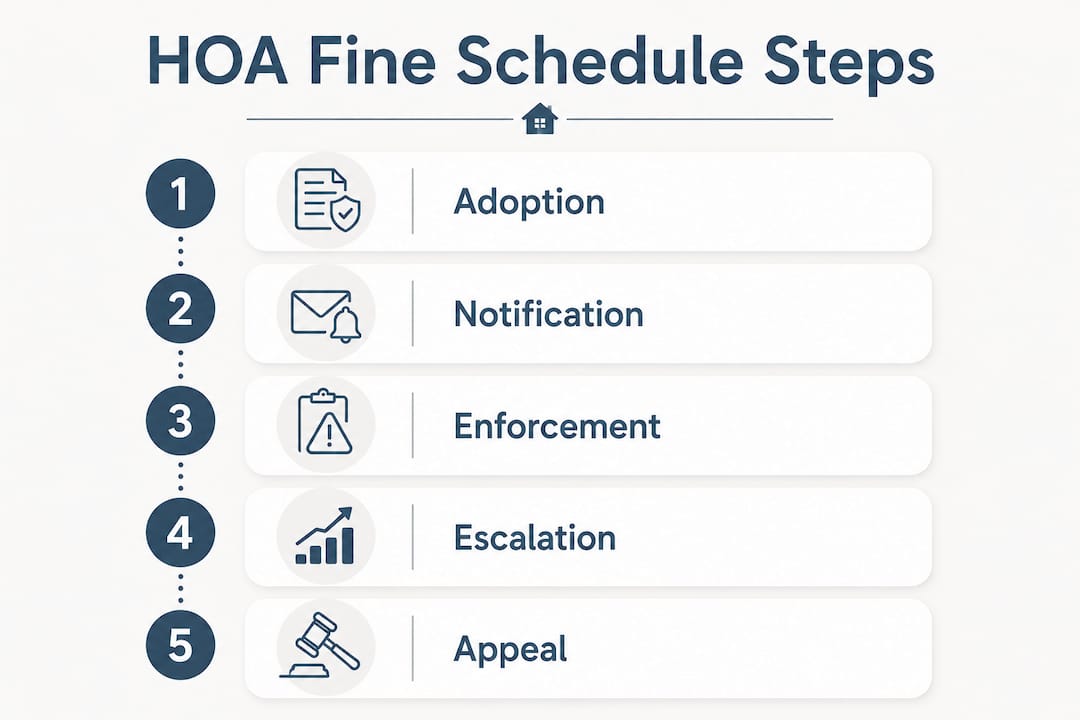
A fine is not valid the moment a board member spots a violation. Most states require a defined sequence of steps before any money is owed. Skipping even one step can make the entire fine void.
The core protections most states recognize include:
- Written violation notice citing the specific rule or CC&R section violated, not just a vague description of the problem.
- Cure period giving you a set number of days to fix the issue before fines begin. Typical cure windows run 14–30 days depending on the state and the governing documents.
- Hearing opportunity before the fine is imposed. California Civil Code § 5855 requires at least 10 days’ advance written notice of any hearing for an alleged violation. That notice must arrive before the hearing, not the same day.
- Fine committee or board hearing where you can present your case, submit photos, or raise procedural objections.
- Written decision after the hearing, which creates the record you need if you escalate the dispute.
Many fines are overturned because boards skip hearings, fail to cite specific rules, or impose penalties for conduct not clearly prohibited in the governing documents. A fine for a rule that does not appear in writing is legally void. That is not a technicality. It is the core principle that fines must be disclosed before they can be enforced.
Pro Tip: When you receive a violation notice, check it against your actual CC&Rs and the adopted fine schedule. If the notice cites a rule that does not appear in either document, put your objection in writing immediately and request a hearing. That written record protects you at every stage.
A hearing notice template can help boards issue procedurally correct hearing invitations, and reviewing one also shows you exactly what a valid notice should contain.
How can homeowners respond to or contest HOA fines effectively?
Contesting a fine is a structured process, not an argument at the next board meeting. Following the right steps in the right order is what separates a successful challenge from an ignored complaint.
- Pull the original fine schedule. Compare the fine amount in your notice against the adopted schedule. If the board charged more than the schedule allows, that discrepancy is your first defense.
- Review the governing documents. Confirm the alleged violation actually appears in your CC&Rs or rules. Boards sometimes attempt fines for conduct not clearly prohibited in governing documents, which makes those fines legally void.
- Gather evidence of compliance. Photos with timestamps, contractor receipts, or neighbor statements can show you corrected the issue within the cure period or that no violation existed.
- Submit a hearing request in writing. Homeowners must submit hearing requests within 10–30 days to keep the fine legally contestable. Send your request via certified mail to create a dated paper trail.
- Attend the hearing prepared. Bring copies of your evidence, the fine schedule, and the specific CC&R section cited. State your procedural objections first, then your factual defense.
- Document the outcome. Request written confirmation of the board’s decision. If the fine is upheld and you believe the process was flawed, you may have grounds for alternative dispute resolution or small claims court depending on your state.
Ignoring a fine is the worst option available to you. Attorney fees and late interest can turn a $50 parking fine into hundreds of dollars owed. Some states allow HOAs to place liens on property for unpaid fines, which creates a serious title issue if you try to sell or refinance. The HOA violation notice checklist shows exactly what a valid notice must include, which helps you spot deficiencies in what you received.
Key Takeaways
An HOA fine schedule is only enforceable when it is formally adopted, properly distributed, and applied through a defined due process sequence that includes written notice, a cure period, and a hearing opportunity.
| Point | Details |
|---|---|
| Fine schedule must be adopted formally | Boards must pass a resolution at an open meeting and distribute the schedule annually to homeowners. |
| State law sets the rules | California requires 28 days’ notice before adoption; Florida caps fines at $100/day and $1,000 aggregate per violation. |
| Due process is mandatory | Homeowners are entitled to written notice, a cure period, and a hearing before any fine is legally owed. |
| Procedural errors void fines | Fines imposed without hearings, proper notice, or a written rule basis are legally unenforceable in most states. |
| Act quickly when fined | Hearing requests must be submitted within 10–30 days; ignoring fines adds attorney fees, interest, and potential liens. |
Why most homeowners misread their fine notices
Most homeowners read a fine notice the same way they read a parking ticket. They assume it is already final, already owed, and already too late to fight. That assumption is wrong, and it costs people real money.
What I have seen repeatedly is that the procedural defenses are stronger than the factual ones. A homeowner who actually left their trash bin out too long can still win a hearing if the board failed to send a proper cure notice or skipped the hearing requirement entirely. The violation itself is almost secondary. The process is what courts and arbitrators focus on first.
The other pattern worth naming is selective enforcement. If your board fines you for a fence color but ignores the same color on three other properties, that inconsistency is a legitimate legal defense in most states. Document it. Take photos of neighboring properties. Bring that evidence to your hearing. Boards that enforce rules unevenly lose those cases.
My honest advice is to treat your CC&Rs and fine schedule the same way you treat your lease or mortgage documents. Read them when you move in. Request the updated fine schedule every year. If you get a notice, respond in writing within the first week, even if just to request a hearing. That single step preserves more rights than anything else you can do.
— Blake
Hoaletterai makes fine and violation notices easier to get right
Boards that issue procedurally flawed notices create the exact disputes this article describes. Hoaletterai generates state-specific violation and fine letters that include the required rule citations, cure periods, and hearing language your state demands.
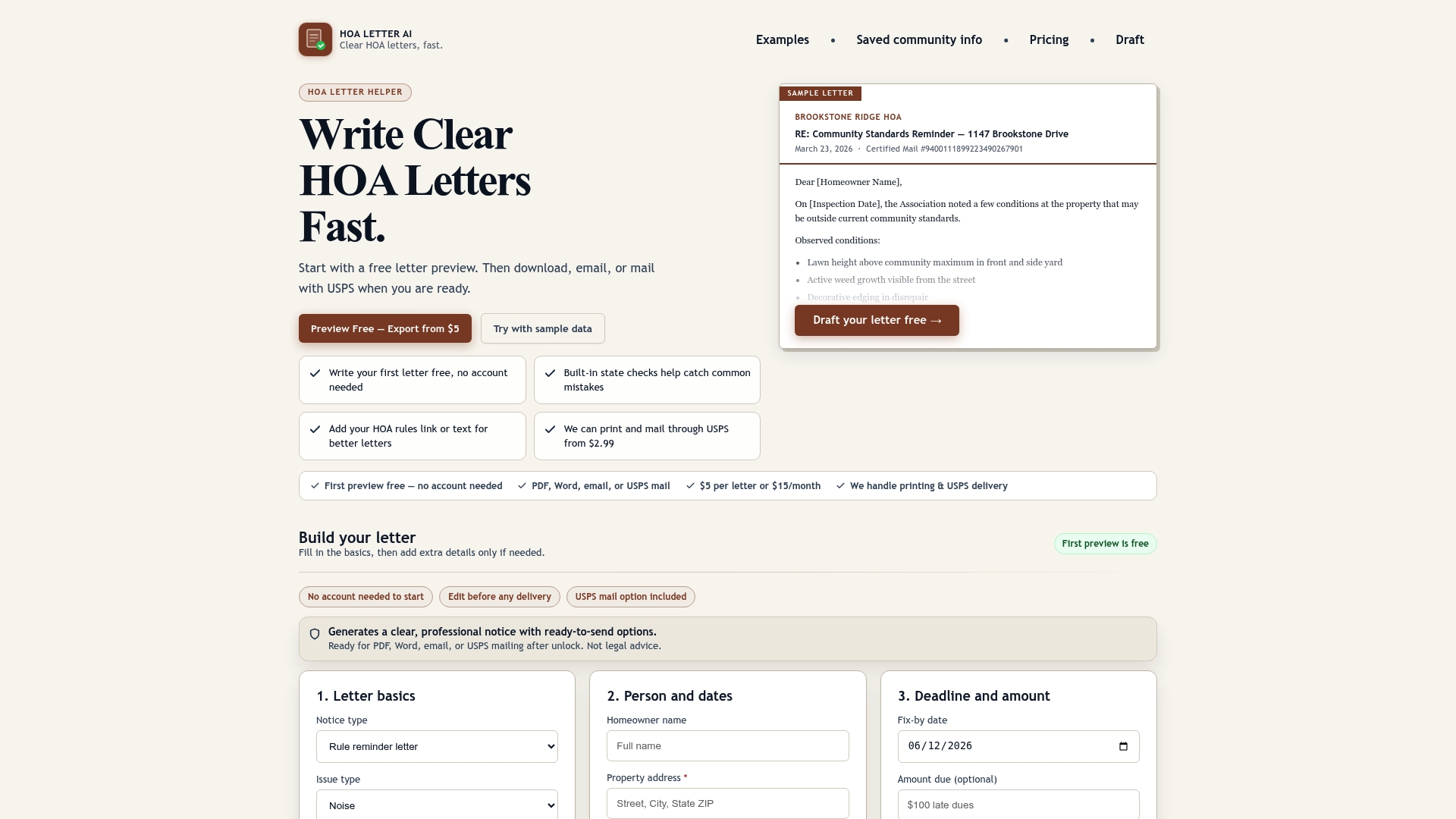
Whether you are a board member drafting a first warning or a homeowner trying to understand what a valid notice looks like, Hoaletterai’s state-specific fine notice templates cover the legal requirements for your state. The platform also generates pre-fine warning letters that give homeowners proper notice before penalties begin, reducing disputes before they start. Every letter includes a one-page preview and USPS mailing option, so nothing gets lost between drafting and delivery.
FAQ
What is an HOA fine schedule?
An HOA fine schedule is a written, board-adopted document that lists the specific dollar amounts and escalation rules for fines imposed on homeowners who violate community rules. It must be formally adopted and distributed to homeowners before it is enforceable.
How much can an HOA fine you per day?
Fine limits vary by state. Florida caps fines at $100 per day with a $1,000 aggregate per violation under Florida Statute § 720.305. California has no statutory dollar cap but requires strict procedural compliance under the Davis-Stirling Act.
Can an HOA fine you without a hearing?
Most states require a hearing opportunity before a fine is imposed. California Civil Code § 5855 mandates at least 10 days’ advance written notice of any hearing, and skipping this step makes the fine legally void.
What happens if you ignore an HOA fine?
Ignoring a fine allows attorney fees and late interest to accumulate, turning small penalties into significant debts. Some states allow HOAs to place liens on your property for unpaid fines, which can block a sale or refinance.
How do you dispute an HOA fine?
Submit a written hearing request within 10–30 days of receiving the fine notice, sent via certified mail. At the hearing, present evidence of compliance, cite any procedural defects in the notice, and request a written decision from the board.
Recommended
- HOA Fine Notice Template — State-Compliant Fine Letter for HOA Boards | HOA Letter AI
- HOA Fence Violation Notice Explained for Homeowners | HOA Letter AI
- Respond to an HOA Violation Letter — Free Notice Check + Response Generator | HOA Letter AI
- HOA Warning Letter Template — Courtesy Notice Before Fines | HOA Letter AI